Transformative Tabletop Game Design
Designing Card, Board, and Tabletop Roleplaying Games that transform the player’s perspective
Designed for Transformation, Not Just Engagement
At Guardian Adventures, we design custom card games, board games, and tabletop roleplaying games that do more than entertain. Our games are built to shift perspective, build skills, and support measurable learning and behavior outcomes.
We specialize in transformative game design, combining research-backed frameworks with deep playtesting to ensure experiences create lasting impact beyond the table.
What We Create
We design analog games for museums, schools, nonprofits, and public institutions that want players to think differently, see themselves differently, or act differently in the world.
Our projects include:
- Educational card and board games
- Narrative-driven tabletop roleplaying games
- Curriculum-integrated game systems
- Facilitation and debrief frameworks to support transfer of learning
Proven Experience
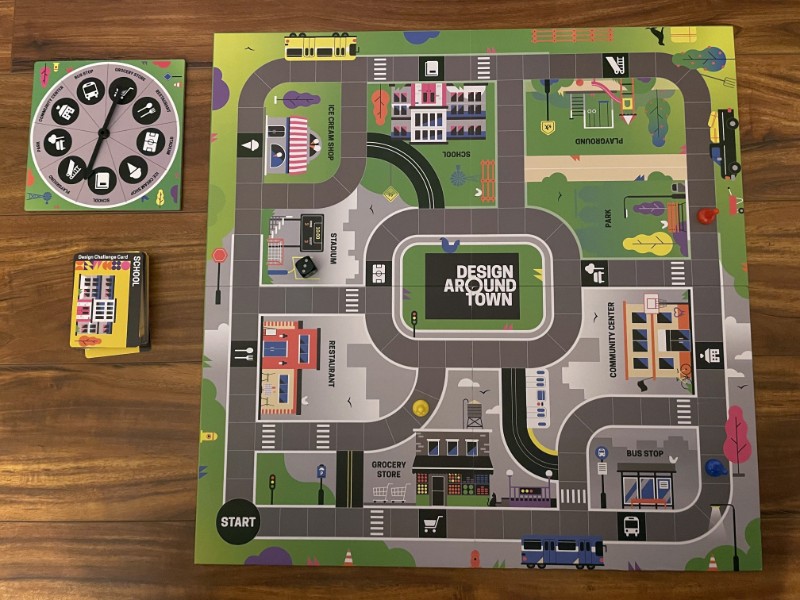
We created Design Around Town, a card game developed for the Smithsonian Cooper Hewitt as part of a middle school design curriculum. Through structured playtesting and evaluation, students demonstrated a clear shift in identity, reporting that they saw themselves as designers after gameplay.
Internationally, we designed a Stone Age tabletop roleplaying game for Västernorrlands Museum in Sweden to accompany their exhibit on the Stone Age woman from Lagmansören. The game supported historical empathy, systems thinking, and collaborative problem solving tied directly to the exhibition narrative.

What is Transformative Game Design?
Transformative Game Design involves creating game-based interactions that are deeply embedded within the thematic content of museum exhibits. This approach leverages the psychological principles of play, narrative, and challenge to craft experiences that resonate personally with visitors, encouraging a shift in perspective and behavior.
Cultural Partnership and Advisory Support
Many of the stories we help bring to life are not ours to tell alone. When projects involve specific cultures, communities, histories, or lived experiences, Guardian Adventures partners with NGO Cultura Connector to ensure cultural integrity, respect, and accountability throughout the design process.
Cultura Connector provides access to cultural advisors, community representatives, and subject matter experts who collaborate with our design team at key stages. Their involvement may include early concept review, narrative framing, language and symbolism guidance, and feedback during playtesting.
This partnership helps ensure that games do not simply reference culture as content, but engage with it as lived experience. Advisors help us identify assumptions, avoid harmful tropes, and design mechanics that reflect authentic perspectives rather than surface-level representation.
For our clients, this means:
- Greater trust and credibility with communities and audiences
- Reduced cultural risk in public-facing experiences
- Stronger alignment with institutional values around representation and responsibility
- Games that are more meaningful, accurate, and impactful
By integrating cultural advisory support into both design and playtesting, we help institutions create games that honor the people and histories they represent while still meeting educational and transformational goals.
Designing for Transformation
Transformative Design does not require larger budgets. It requires clearer intent. It can involve simple adjustments to a current exhibit, creating an interactive game, or adding a space for debrief.
Here are just some of the questions museums can ask include:
-
-
- What perspective might visitors carry forward?
- How do we invite agency rather than consumption?
- Where (inside our space) do we allow emotional resonance and reflection?
- How does this experience connect to who visitors are becoming?
-
The transformation that is specific to your message is not accidental. It is designed. When museums choose to design for identity rather than impressions, they stop competing for attention and start building allegiance.


Guardian Adventures is a company specializing in transformative experiences and games as well as culturally relevant story-based programs for educational organizations, therapeutic centers, schools, and entertainment companies.
(c) 2016-2026 – Guardian Adventures, Inc. All rights reserved.